

A fitness plan for students: How to stay active in your apartment
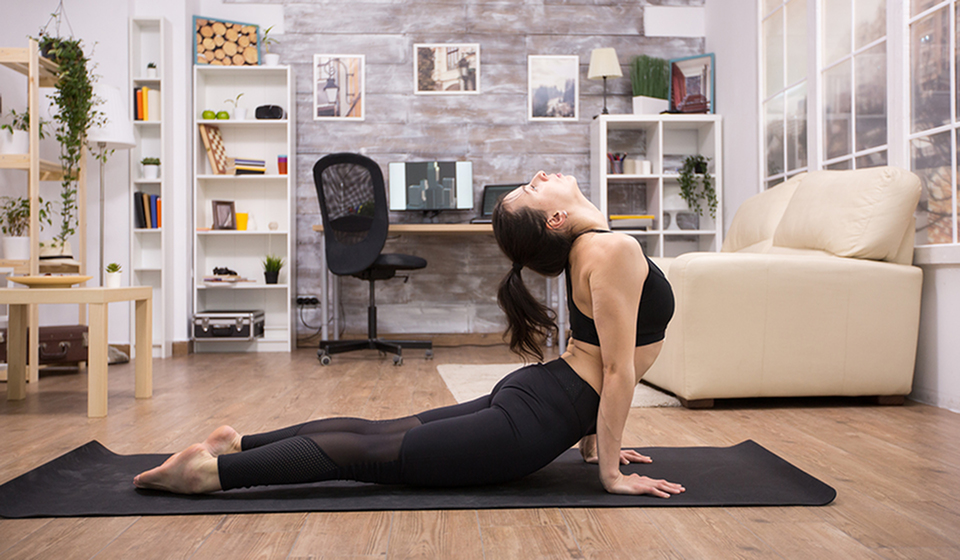
Balancing classes, assignments, and social life often leaves little time for fitness. Yet, staying active is essential for keeping energy levels high, improving focus, and maintaining overall well-being. The good news? You don’t need a gym membership or outdoor space to stay fit. With the right approach, students can build an effective fitness plan right inside their off-campus housing in Ottawa.
This guide explores simple strategies to help maintain a healthy lifestyle while making the most of limited space and time.
A fitness plan for students to stay active in your apartment
Start with a clear routine
Creating a structured routine helps fitness become a regular part of daily life. Begin by scheduling specific workout times, just like study sessions or classes. Whether you prefer early morning stretches or an evening workout after class, consistency is key.
Aim for at least 30 minutes of physical activity, five times a week. This could include a mix of cardio, strength training, and flexibility exercises. Having a set routine not only boosts discipline but also helps in managing stress, improving focus, and balancing academic responsibilities.
Focus on bodyweight exercises
Bodyweight workouts are ideal because they require minimal room and no gear, yet deliver great results.
A balanced routine might include:
- Push-ups for upper body strength.
- Squats and lunges for legs and glutes.
- Planks for core stability.
- Burpees or jumping jacks for cardio.
These exercises can be modified to match fitness levels, making them suitable for both beginners and advanced students. Adding variety every few weeks keeps things interesting and helps avoid plateaus.
Use furniture for support
Your apartment furniture can double as workout equipment. A chair or desk can help you perform tricep dips, elevated push-ups, or step-ups. Water bottles can replace dumbbells for added intensity.
Students can also use walls for wall-sits or balance support during leg workouts. This creative approach not only saves money but also maximizes the use of available space while maintaining safety.
Combine short sessions throughout the day
Between study breaks, online lectures, or household chores, short bursts of activity can make a difference. Try the “micro workout” method—doing five to ten minutes of exercise a few times a day.
A morning stretch, a few squats during lunch, and a short yoga session in the evening can add up. Breaking workouts into smaller chunks helps sustain motivation and reduces the pressure of finding long, uninterrupted time blocks. Over time, these mini routines can lead to improved stamina and better mental clarity.
Add movement to daily tasks
Not every workout needs to be structured. Look for small ways to stay active throughout the day. Walk while talking on the phone, do calf raises while brushing your teeth, or take the stairs whenever possible.
For students living in apartments with common areas, try using hallways for brisk walks or staircases for short climbs. Integrating movement into daily habits turns fitness into a lifestyle rather than a chore.
Make flexibility and mobility a priority
Sitting for long hours while studying can cause stiffness and discomfort. Stretching exercises like yoga or Pilates improve flexibility and relieve muscle tension.
Try dedicating ten minutes daily to stretches that target the neck, shoulders, hips, and back. Apps and online videos offer guided sessions tailored for small spaces. Regular stretching not only improves posture but also helps reduce the risk of injuries, especially for those who spend much of their time sitting.
Find creative cardio options indoors
Cardio might seem difficult without access to outdoor spaces, but several options work perfectly indoors. Dancing, skipping or following a cardio workout video can improve your heart rate effectively.
Students can also use HIIT (high-intensity interval training) workouts, which combine short bursts of intense activity with rest periods. These workouts take less time but offer impressive fitness results, helping you stay active even on busy days.
Prioritize rest and recovery
Rest is as important as exercise. Muscles grow and repair during recovery, so make sure to schedule rest days. Getting seven to eight hours of sleep supports energy levels and focus, both of which are crucial for academic success.
To improve recovery, include light stretching or meditation before bed. This helps calm the mind, improve sleep quality, and reduce stress—a win for both body and mind.
Create a supportive environment
Your surroundings can influence how motivated you feel to exercise. Keep your off-campus housing in Ottawa tidy and set aside a small corner for workouts. Invite roommates or friends to join you in short challenges or online fitness classes.
A supportive community can make exercising more fun and help maintain accountability. With music, creativity, and consistency, even a small apartment can become a motivating fitness space.
Final takeaways
Maintaining an active lifestyle as a student doesn’t require a gym or large space—just a smart plan and commitment. By integrating simple exercises, staying flexible with your schedule, and using your apartment creatively, it’s possible to stay fit and energized throughout the semester.
Living in modern apartments makes this even easier, offering the space and comfort needed for daily activities. Theo Ottawa offers fully furnished off-campus housing in Ottawa with limitless amenities designed with students in mind. Whether you want to stretch out in the comfort of your living room, take part in a fitness class in a shared space, or unwind in a cozy lounge after a workout, Theo Ottawa provides the perfect balance of convenience and comfort. These thoughtfully designed living spaces are not only ideal for studying but also for maintaining a balanced, healthy lifestyle, ensuring you have everything you need to thrive academically and physically during your university journey.