

Blog Posts

A Quick Guide to Applying for Grad School-image

Going to grad school can open up new opportunities in your field and increase your earning potential. Depending on the program you want to take, there may be heavy competition — meaning a strong application is crucial. To improve your chances, there are a few things in particular you need to do.   1. Volunteer in a Relevant Field   Many people gain work experience before they apply to grad school. If you want to attend immediately after university, you may lack experience to mention in your application. One way to gain the skills you need is through volunteering. Search for opportunities relevant to what you want to study. For instance, many programs expect you to have teaching experience, which you can gain by mentoring at a local school or through ESL teaching.   2. Find Work as a Research Assistant   Another great way to gain experience is to work as a research assistant. While you’re still at university, it’s easy to find opportunities: just ask your professors. Ensure the professors you ask are working on projects related to your field of interest.   3. Develop Stronger Relationships with Faculty Members   Part of your application will be references from staff members at your university. Make sure they know more about you and will be able to sing your praises. Working on a research project can help with this, as can taking advantage of office hours.   4. Choose the Right Classes   Rather than just meeting the requirements for your major, choose classes that show you have the skills and knowledge necessary for grad school. This may mean opting for more challenging electives.   5. Pick the Right Program   Grad school differs in many ways from your undergraduate degree. For one thing, you’ll focus on a specific topic and take no general education classes. For this reason, it’s crucial to choose a program that’s closely aligned with your interests to ensure you stay engaged. You should also consider if there are any particular faculty members you’d like to work with, where in the country you’d like to attend school, and whether you’d be more interested in classroom learning or conducting your own research. Before you decide to apply, make absolutely sure a program is right for you.   6. Make a Spreadsheet of Key Dates   There are many stages to applying for grad school and dates may differ for each program. Make sure you don’t miss anything by creating a spreadsheet with due dates.   7. Take the GRE   Many schools require you to take the GRE. Create a study schedule to prepare that includes taking plenty of practice exams.   The admissions team will look at more than just your GRE score, references, and personal statement when deciding whether to accept you into the program: another major consideration will be your grades. To improve your GPA, you need to study hard, which means having somewhere quiet you can go to focus. It’s much easier to find this when you live off campus. For apartments near UOttawa , there’s THEO. In addition to using the desk in your bedroom, you can take advantage of our study station, which is ideal for individual and group study. Book an onsite visit to meet THEO.  

Read more
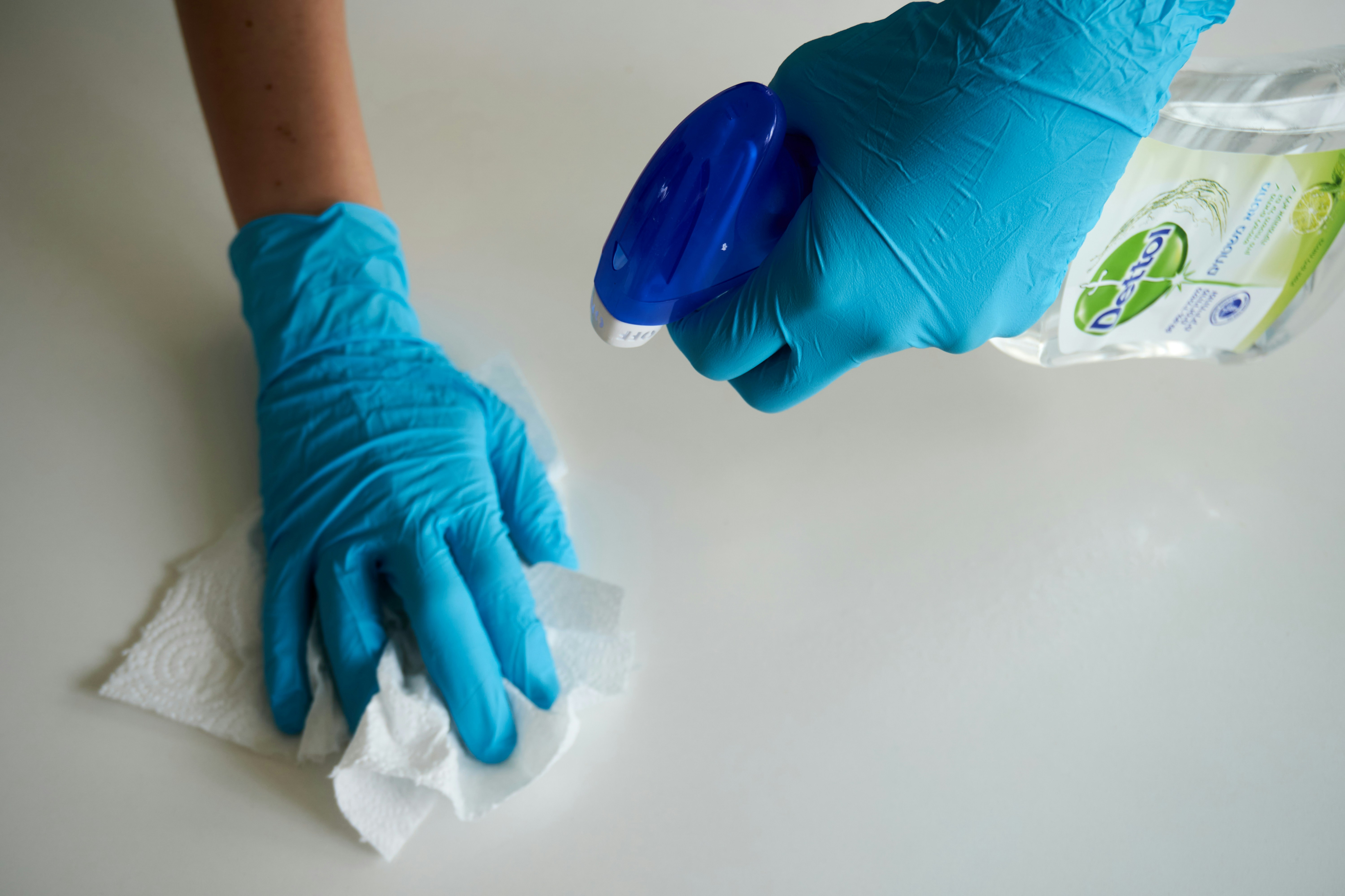

7 Spring Cleaning Strategies for Student Apartments-image

Even if you always stay up to date with your chores, you can definitely benefit from a deep clean in the spring. By this point in the year, it’s likely your student apartment has started to become messy with all the clutter you’ve accumulated. There are a few ways to tackle your spring cleaning to ensure it’s a success.   1. Do All Your Laundry   No one enjoys doing laundry, but seeing an empty hamper is a great feeling. As well as washing your clothes, use your spring cleaning as a chance to wash your bedding, your towels, and anything you may neglect to wash on a regular basis.   2. Clear Your Desk   Remove everything from your desk and only put back items that should be there — in other words, just the things you use when you’re studying. Find a new home for everything else, including your papers. Now’s a great time to create a new filing system!   3. Declutter   Decluttering your bedroom is relatively easy — it just may take time. If you share your apartment, though, there may be clutter in your living room that belongs to someone else. A simple solution is to either put these items away or leave them on your roommates’ beds or outside their doors.   4. Check the Expiry Dates on Your Food   Empty your fridge and the cupboards in your kitchen to clean the surfaces of spills and sticky patches. Before you put any food back, check expiry dates and throw out anything you’re not going to eat.   5. Dust, Vacuum, and Disinfect   Using either a damp cloth or paper towel with some all-purpose cleaner, wipe down all the surfaces in your apartment. Only once you’ve finished dusting should you vacuum, as this will enable you to pick up any dirt that has landed on the floor. Make sure you also vacuum under furniture, the bottom of your closet, and your couch. In addition, disinfect things and places you touch often, such as door handles, light switches, and TV remotes.   6. Switch from Winter to Spring Clothing   Pack all your winter clothing into boxes to either take back home or store — under your bed or at the bottom of your closet is ideal. This will free up space and make it easier to access your spring clothes.   7. Empty the Trash   Once you’ve finished spring cleaning, you may find you have a great deal of trash. For this reason, it makes sense to leave emptying your trash cans until last .   The only way your apartment will stay organized after spring cleaning is if you have enough space. This may mean you need to move into better off-campus housing. Ottawa students can find a new home at THEO. You can choose between your own apartment, a private bedroom in a shared apartment, or a shared room — whatever matches your budget and preferences. All the apartments come fully furnished and have plenty of storage to make keeping your space clean that much easier. Apply now for the type of unit you wan t.  

Read more
6 Tips to Try If Social Events Make You Anxious-image

Socializing is a big part of university, but this can be difficult for students who feel anxious about social events. Whereas you should definitely avoid events you have a bad feeling about, it’s useful to push yourself to attend more parties and activities on campus to ensure you have the proper university experience. Here are some ideas to help you break out of your shell.   1. Practice Mindfulness   Put yourself in the right frame of mind for an event by practicing mindfulness before you leave your apartment. Find a quiet place to sit, close your eyes, and imagine what a positive experience would look like.   2. Wear Clothes That Give You Confidence   Pick an outfit that’s suitable for the event and makes you feel great. For instance, it’s worth having a pair of shoes you always use for social events because you’ll feel like yourself when you wear them.   3. Have Realistic Expectations   Sometimes, social anxiety is due to expecting too much from yourself. In actual fact , it’s enough to simply show up. It’s great if you do find the confidence to be the life of the party, but this is far from necessary. Instead of striving for perfection, your goal should be simply to attend the event.   4. Decide to Stay for Five Minutes   You can do almost anything for five minutes — and that includes going to a social event that makes you anxious. Do this by initially deciding to stay for just five minutes. Then, take a few deep breaths and see if you’re able to commit to another five. If you use this technique at every event you go to, you’ll soon find you forget about it as the evening progresses and end up staying for far longer than five minutes.   5. Talk to People   If you have friends at the event, seek them out straight away to distract yourself from your anxiety. If you don’t know anyone at the event or your friends are yet to arrive, talk to someone new. Striking up a conversation with a stranger may seem like the most intimidating thing you could do, but standing around and waiting for someone to talk to you will only make you more anxious. You should find that most people are happy to talk to you, especially if you explain that you don’t know anyone.   6. Give Yourself a Reward   Reward yourself for attending a social event with a relaxing activity when you arrive home. This could be catching up with your favorite TV show, taking a long shower, or eating a tasty snack before bedtime.   Struggling with social anxiety can make university isolating at times. It helps to take small steps to build up your confidence, such as meeting new people in small groups rather than at big parties. One place where you can meet new people is at your student housing. THEO has apartments for rent near UOttawa that are just for students. You can choose to have your own room in a shared apartment, a shared room, or an apartment to yourself — whatever makes you comfortable. Apply now.  

Read more
A Guide to Succeeding in Summer Classes-image

Summer classes are a great way to either catch up or get ahead with earning the credit you need to graduate. However, your life is likely to be completely different compared to during the semester. For instance, there will be fewer people around, extracurriculars won’t be running, and you’ll be studying just one or two intensive classes rather than a full course load. Plus, you may see friends posting on social media about the fun ways they’re using their summers, which can lead you to feel like you’re miss ing out. To keep your motivation high and succeed with your summer classes, there are a few things you need to do.   1. Create a Study Schedule   It’s easier to fall behind with summer classes than with regular semester classes because they’re condensed into such a short amount of time. To make sure you’re able to keep up with your workload, stick to a schedule for homework and required readings outside the classroom. Finishing assignments as soon as possible will also mean you’ll avoid turning down invitations to social events from other students. Since many of your friends will be going home for the summer, you’ll want to take advantage of the chan ce to socialize with other students taking summer classes.   2. Stay Positive   If you find yourself feeling overwhelmed or demotivated, remind yourself of why summer classes are worthwhile. Keep your goals in mind to turn your thoughts positive even when you’re stressed.   3. Practice Self-Care   To be able to stay positive, you need to practice self-care. Stay physically healthy by eating a balanced diet, sleeping enough, and exercising on a regular basis. Take care of your mental health by spending time with other students, practicing your hobbies, and checking in with friends and family.   4. Take Advantage of Support Services on Campus   Your university has plenty of resources for you to use whenever you’re struggling. For instance, the academic advisors can advise you on how many classes to take over the summer to meet your academic goals, whereas the writing center can help you perfect your papers. Your school is also likely to have counselors who can give you tips on maintaining your mental health over the summer.   5. Take a Break   If possible, don’t fill your entire summer with classes. You’ll find that most classes run for just a few weeks, meaning you can dedicate just a portion of your summer to classes and use the rest for a well-needed break. Recuperate from all your hard work, catch up with friends from your hometown, spend time with family, and perhaps even fit some traveling into your summer.   It’s critical to find great housing for the summer to avoid feeling isolated and to ensure you’re able to study effectively. The student living community at THEO offers apartments near UOttawa where you’ll have plenty of chances to meet new people, including in the movie room, rec room, art room, and basketball court. We also have 14 study areas for when you need a change of scenery from your fully-furnished suite. Contact us for a lease to move in before the summer and you’ll be able to continue living here when school starts up again.  

Read more
How to Tell If a Class Isn’t the Right Fit for You-image

It can be difficult to know if you should drop a class or stick with it a little longer to see if it improves. The problem is you need to come to a decision while you’re still within the withdrawal window, which means the pressure is on. To make up your mind, here are a few factors you can use to decide if you should drop a class.   1. You’re Likely to Fail   You may be likely to fail because the class is too difficult, in which case you could benefit from taking an introductory class first, receiving tutoring over the summer, or doing something else to prepare. Of course, these strategies are only worthwhile if you do need the class. If the class is not a requirement for your major, you’re better off dropping it and never looking back.   Alternatively, you may be on track to fail because you forgot to hand in an assignment on time or missed a test the professor won’t let you retake. In these cases, it’s better to drop the class and take it again later.   2. It Will Bring Down Your GPA   You may not be doing badly enough to fail but your grade may still bring down your GPA considerably. If it’s a required class, use the same strategies as above. However, if it’s an elective you thought you’d enjoy but are finding difficult, your best option is likely to drop the class and choose something different next time. In particular, it may be worth picking an elective that’s graded as pass or fail to avoid any impact on your GPA.   3. Your Mental Health Is Suffering   Never allow a class to have a negative impact on your mental health — it’s just not worth it. Even if you need the class, it’s better not to continue. You can take it again when you feel more prepared or have a lighter schedule.   4. You Were Wrong About Needing the Class   You may have signed up for a class because you thought it was a requirement for your major but have since found out you were mistaken. If you dislike the class or can’t even use it for credit, you should definitely drop it. Learn from this experience that you should always confirm with your academic advisor at the start of the semester that you’re taking the right classes.   5. You Never Attend   Nonexistent attendance is a clear sign a class is not right for you. It could be that the class is too early in the morning, straight after another class located in a completely different part of campus, or just uninteresting.   Sometimes, the issue may not be that the class is a poor fit but that you’re unable to give it the attention it deserves. This can happen if you have nowhere you can study in peace or you’re not gaining enough sleep before an early morning class because there’s too much noise in your dorm. The solution is to move into off-campus housing. You’ll find apartments near UOttawa at THEO. You can choose to share a room, have a private bedroom in a shared apartment, or even have your own apartment to yourself. In a ddition to studying in your bedroom, you’ll be able to work on assignments in any of our 14 study areas, our art room, and our music rooms. Apply now for the floor plan you want.  

Read more
How to Become a Morning Person at University-image

Becoming a morning person will benefit you now and for the rest of your life. For example, it will mean your morning classes are less painful, you’ll be able to participate in activities that take place early in the day (such as certain sports), and you’ll always arrive on time to your job after you graduate. To become a morning person, all you need to do is adopt habits that make your mornings easier.   1. Sleep Enough   You’ll never find it easy to wake up in the morning if you’re trying to function on too few hours of sleep. If you struggle to fall asleep, incorporate a glass of tart cherry juice into your evening routine. Studies have found this can be a useful sleep aid — it may help you gain up to an hour more of sleep per night.   2. Wake Yourself Up   You also need a morning routine that wakes up your mind and body. A great tactic is to drink cold water . It works by making your blood flow faster, increasing your energy levels, and improving your mood — all things you need to encourage you to start moving in the morning. Some people find it even more effective than coffee.   3. Schedule an Early Workout   Another activity to include in your morning routine is some exercise. Find a workout class you’ll enjoy to give yourself something to look forward to. It’s best of all if the class has a no-show fee to incentivize you to go.   4. Sign Up for Morning Classes   If you’re serious about becoming a morning person, opt for mostly morning rather than afternoon classes. In particular, sign up for small classes where it will be noticeable if you don’t attend — it’s even better if poor attendance will impact your grade. Plus, choose classes you’re likely to enjoy to make your mornings more bearable.   5. Fill Your Bedroom with Light   If the thought of missing a workout or university class isn’t enough to encourage you to get out of bed, try increasing your exposure to sunlight. If your curtains are too thick to allow light into your room, keep them open while you sleep. Whereas waking up to darkness can make you want to go back to sleep, seeing sunlight from the moment you open your eyes can help you feel ready to face the new day.   6. Give Yourself a Reward   Treat yourself whenever you do manage to meet your wakeup goal. You may like to give yourself a reward every day or just when you manage to get up on time for a whole week.   You’ll have less of a need to become a morning person if you live near your classes. This doesn’t mean you need to live in student residence — you just need convenient off-campus housing. Ottawa students can find a new home at THEO, where you’ll be just steps from the University of Ottawa and the Canadian National Institute of Health. You’ll also be within walking distance of ByWard Market and have study spaces, a gym, a basketball court, and hangout areas on site. Book a tour to pay us a visit.   

Read more