
Blog Posts

Tips for Transitioning Back Home for Summer Break-image

Although many students look forward to going home for the summer break, others have feelings of trepidation. This may be for various reasons — for example, you may not have the best relationship with your family, a sibling may have taken over your bedroom, or you may find it difficult to return to living under your parents’ roof after being independent at university. Even if this is the case, there are things to look forward to, including seeing your hometown friends, fewer responsibilities, and free food. To make the transition as smooth as possible, here are several things you can do.   1. Stay in Touch with Friends from University   One of the hardest adjustments to make is suddenly being separated from your university friends. You see many of them close to every day: in class, at mealtimes, and even at home, if they’re also your roommates. Now, you’ll be away from them and the life you have together. Make this easier by committing to stay in touch over the summer. Check in to share your news and perhaps even arrange to visit each other for a few days.   2. Use the Summer as a Chance to Recover   Returning to your family home means you’ll lose the freedom you had at university. Your parents may expect you to keep to the rules you had when you were at high school, or they may be willing to compromise on some aspects. To make your time at home as conflict free as possible, your best option may be to take things easy. If it upsets your parents that you stay out late or go to parties, take the summer as an opportunity to rest. This will allow you to recover from the previous semester and help you return to university refreshed for the next.   3. Don’t Expect Your Relationships with High School Friends to Be the Same   It’s likely your friends will have changed since going away to university, just as you have changed. This may mean your relationships are different. Plus, you may find that people you once considered your closest friends only held such a status because of their proximity — you may now have less in common than you once did. It’s important to have reasonable expectations to avoid disappointment.   Of course, it’s equally possible that you and your hometown friends will be enthusiastic to see each other. This is especially likely to be the case if you’ve stayed in touch during your time at university and know what’s going on in each other’s lives. However, you still need to bear in mind that some of your friends may not be around much over the summer, such as if they need to work, have internships, or will be traveling.   If the idea of going home for the summer doesn’t appeal at all, one option is to stay in your university town. Although you’ll need to leave your room if you’re in student residence, living in off-campus student housing means you’ll have a lease over the summer. You can find apartments near uOttawa with plenty to keep you occupied at THEO. We have a movie room, gym, rec room, basketball court, and music rooms on site and there are all sorts of spots for culture, history, and shopping nearby. Contact us for details about our special promotions for immediate occupancy.   

Read more


How to Stay Stress Free on Exam Day-image

Feeling a little nervous before an exam is a good thing — it shows that the exam matters to you. However, too much anxiety can make it difficult to focus and could even hurt your performance. To tackle your exam with confidence, there are a few things you need to do to make exam day stress free.   1. Use Effective Study Practices   The best way to feel prepared for an exam is to use your study time effectively. Avoid passive activities like rereading materials. Instead, create mind maps, rewrite your notes, and practice answering questions like those you’ll encounter on the exam.   2. Take Care of Your Health   You need to be well rested and energized on the day of your exam. As well as making sure you sleep enough the night before, eat a nutritious meal in the morning to avoid feeling hungry. You should also focus on your health during the weeks leading up to your exam. For instance, you could use breaks to exercise or do some stretches. You may also like to keep a bottle of water on your desk (and perhaps also some healthy snacks).   3. Learn Mindfulness Techniques   If you ever feel yourself becoming stressed, use mindfulness techniques to relax. Try deep breathing exercises, positive thinking, and closing your eyes for a few seconds before the exam starts.   4. Focus on Your Strengths   Instead of dwelling on where you still have gaps in your knowledge, focus on what you do know. For example, it may be worth running through the key facts you’ve learned one last time. If you feel capable when you sit down to do your exam, you increase your chances of being able to recall information.   5. Approach the Exam Strategically   Exam questions can often contribute to stress, especially if they’re long or complicated. Rather than rushing into your answer, take your time to figure out what the question is asking, such as by underlining keywords. You could also jot down ideas for your answers before you start writing.   Depending on how much time you have and the type of exam, you may like to read all the questions before you start answering anything. You can then decide which questions to answer first. Beginning with questions that have an obvious answer can build up your confidence. You may like to then move onto the questions that are worth the most points, especially if you’re unsure you’ll be able to finish everything. Keep checking the clock as you work through your exam. If you’re struggling with a particular questi on, it may be worth leaving it and coming back at the end, if you have time.   6. Ignore Other Thoughts   Don’t allow your mind to wander during the exam. You may be tempted to look around the room, or you may start thinking about the implications of doing poorly. To avoid becoming stressed, push these thoughts away and focus purely on the exam.   How you spend your time leading up to the exam can make a big difference to your level of stress. It’s key to have somewhere quiet where you can study on a daily basis — it’s best of all if this place is at home. THEO offers uOttawa off-campus housing designed to improve the student experience. In addition to the desk in your shared or private bedroom or solo apartment, you can use any of our 12 study rooms. Contact us now to secure your spot.  

Read more
5 Simple Safety Tips for University Students-image

Moving away from home to attend university comes with many responsibilities. One of these is taking care of your safety, especially when you’re traveling between campus and home, going out at night, and meeting new people. Here are a few simple things you can do to stay safe.   1. Never Allow Anyone to Enter Your Building   To access your building, you’ll most likely need a key or card. Never allow strangers to enter with you, even if they look like students and say they’ve lost their key or are coming to visit a friend. Be alert for people waiting near the entrance, as they may try to push through the door when you enter — if you notice someone waiting, head to another entrance (if possible) or notify staff.   2. Lock Your Doors   If your doors don’t lock automatically when you close them, make sure you lock them yourself as soon as you arrive home. This goes both for your apartment door and your bedroom door. This won’t just keep you safe — it could also prevent you from becoming a victim of theft.   3. Stay Alert When Walking Alone   It can be tempting to use walks to campus as a chance to catch up with your messages. However, this will mean you’re unaware of what’s going on around you and could make you a target of crime. For the same reason, you should always consider whether it is safe to use headphones when out and about , especially if they do a good job of canceling noise.   4. Familiarize Yourself with Your Surroundings   Spend time familiarizing yourself with all of campus and your neighbourhood . This will prevent you from becoming lost and ending up in an area where you could be at risk. Plus, it will help you discover the quickest routes between your activities.   You should also explore the area after dark with friends. This will reveal any places that are particularly poorly lit, where traffic is infrequent, or could otherwise be dangerous spots to spend time alone.   5. Be Smart When Making Friends   You have plenty of options for making friends at university — make sure you’re smart about your choices. Avoid spending time with people who are prone to making reckless decisions that could put your safety at risk or land you in trouble. True friends will never push you to do anything that makes you uncomfortable. In fact, they’ll even help you stay safe, such as by creating a buddy system that ensures no one ever needs to walk home alone.   You should be just as cautious about romantic partners. Until you know the person well, it’s best to spend time together around others and only invite the person over to your apartment when you know your roommates are there.   Key to staying safe at university is living in a building that has adequate security features and is located in a nice part of town — preferably close to campus. You’ll find apartments near uOttawa that meet these criteria at THEO. Our housing has security cameras all around the building and staff on-site to help you out if you run into any problems. Contact us to secure one of the limited spaces we still have available.  

Read more
How to Manage Your Personal Finances at University-image

You’ll learn many things at university that have nothing to do with your major. One of these things is how to manage your personal finances. Avoid the process being trial and error by following some basic tips to keep your spending under control and graduate with minimal debt.   1. Know How You’re Spending Your Money   It’s easy to spend too much on certain activities if you have no idea where your money is going. To avoid this, you need to track your expenses. You can do this by using a notebook, spreadsheet, or app — whatever you find the most convenient. Just make sure your method involves noting down your expenses immediately , before you have the chance to forget.   2. Set a Budget   Once you know where your money is going, you can create a budget to better manage your spending. Start with budgeting for the essentials, such as rent and utilities. Then, add expenses that are the same every month, like subscriptions. Allocate your remaining balance to different categories , such as food, personal care, and entertainment.   3. Create an Emergency Fund   Ensure you always have some money in an emergency fund. You should not touch this unless you need it — for instance, if you need to repair your laptop, return home unexpectedly, or pay a larger bill than normal. If you do need to use your emergency fund, replenish it as soon as possible by cutting down on your spending for the following month.   4. Build Your Credit Score   A healthy credit score will bring you many benefits after you graduate. For instance, it will improve the chances you’re able to rent the apartment you want, mean you qualify for better credit cards, and give you better rates on loans and mortgages. Easy ways to build your credit score include paying off your credit card balance in full each month and paying your bills on time each month. You can ensure you never forget a bill by automating the payments.   5. Find a Job   You may be limited in terms of how much you have to spend unless you’re working while at university. Search for a part-time job that fits around your classes, such as at a business on campus or with another student-friendly employer. You’ll also benefit from being able to put the work experience on your resume.   6. Save Money   Having a job won’t just mean more spending money and being able to pay off more of your student loans — you should also be able to start saving. This is important for meeting your goals after you graduate, especially if it takes you time to find a full-time job in your field. Bear in mind it can be motivating to have a particular goal in mind for your savings.   7. Apply for More Scholarships   You likely looked for scholarships when you were applying to university, but there’s no reason for this to be the only time you search — after all, your eligibility may have changed or new opportunities may have opened up . When you’re home on break is an ideal time to search again.   8. Look for Ways to Spend Less   There are multiple ways to pay less for the things you need. For example, many businesses offer student discounts, including online stores — it’s always worth asking before you make a purchase. Admission to museums and recreational spots around you may also offer student discounts, which gives you plenty of affordable options for activities in your free time. Other ways to pay less include buying secondhand items (like textbooks, furniture, and vehicles), preparing more of your own meals, and investing in a coffee maker instead of buying a beverage on campus every morning.   You’ll also reduce your living costs if you move into affordable off-campus housing. Ottawa students can find a new home at THEO. We have private rooms, solo apartments, and shared rooms, meaning you can choose whatever suits your preferences and budget. Contact us now while we still have some spots available.  

Read more
6 Winter Wardrobe Must-Haves for Students-image

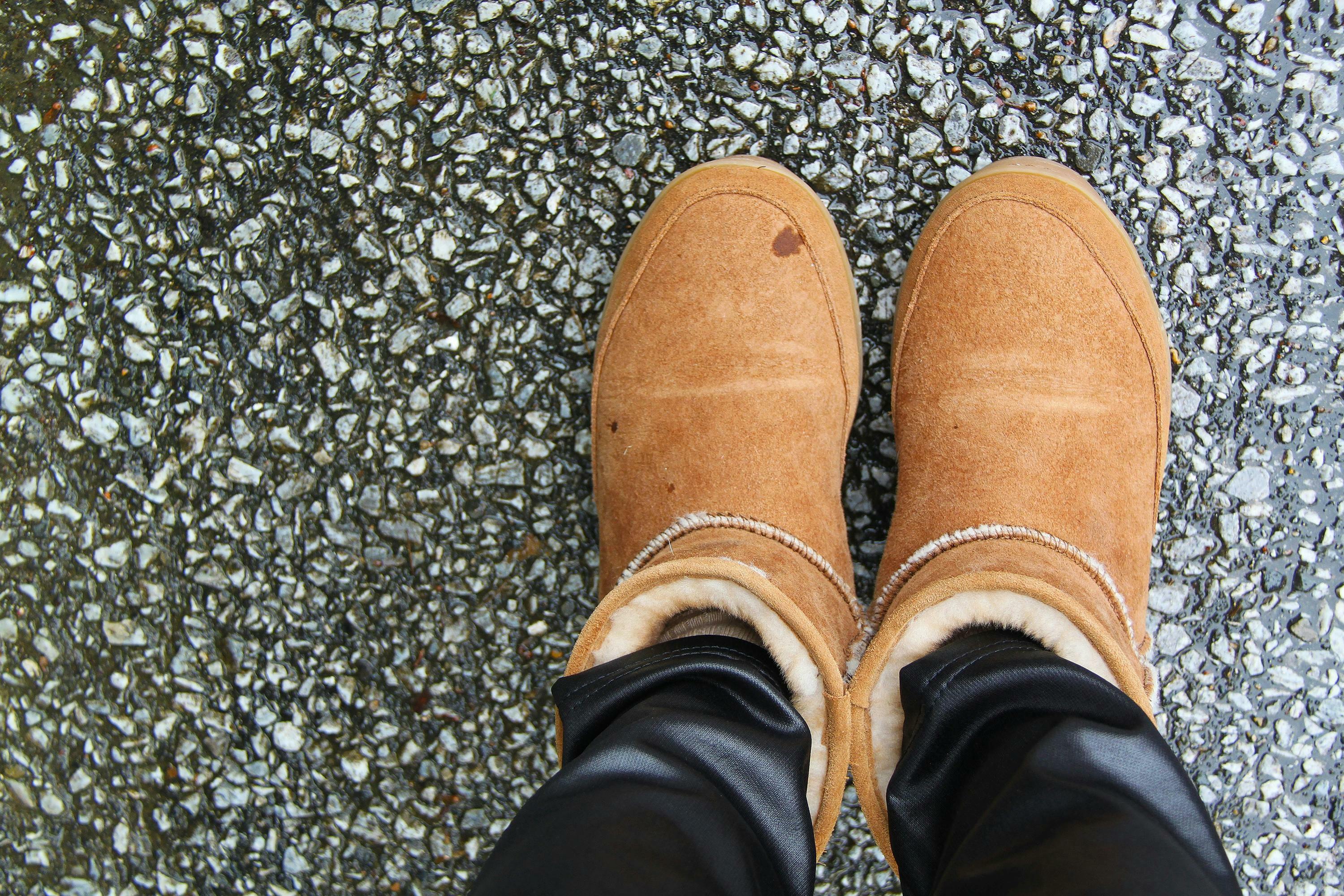
To stay warm on your commute to campus, between classes, and during outdoor activities, you need a fully-stocked winter wardrobe. Here are a few of the must-have essentials for students taking classes in Ottawa this winter.   1. A Winter Coat or Jacket   Every student needs a go-to coat or jacket to survive the coldest parts of winter. If you want something lightweight, opt for a puffer jacket — they come in a wide range of colours , meaning you can easily find one to suit your style. Alternatively, hide away from the elements in a long button-up or zippered coat.   2. Warm Boots   Keeping your feet warm is essential for staying comfortable in cold weather . Choose boots that won’t let any moisture in, even if you’re trudging through thick snow or it’s raining heavily. The ideal boots will also have a thick lining made from something like faux fur for added warmth. Lastly, to stay safe in ice or slush, look for rubber soles that offer traction on both wet and dry ground.   3. Waterproof Gloves   Since you want a minimal amount of skin exposed to the cold while you’re out and about , gloves are a crucial part of your wardrobe. If you’ll be spending a lot of time outdoors, you may like to choose touchscreen gloves to be able to still use your phone. Alternatively, there are convertible fingerless gloves, which you may need if you use your fingerprint to unlock your phone. Make sure that whatever you pick is water repellent — in case you need to grab a wet handrail or you find yourself in the middle of a snowball fight.   4. A Cozy Hat   Don’t leave your head exposed, either. Even if your winter coat has a hood, you’ll lose heat through your head and your ears will feel chilled. Beanies are a top choice among students.   5. Thermal Pants   The great thing about university is you can wear casual clothes most of the day. Nothing is more comfortable than leggings or sweatpants — they’re the next best thing after going to class in pajamas. Look for elasticized cuffs to stop cold drafts from travelling up your legs. The best pants also have large enough pockets to fit your phone and hands. If you need something for outdoor workouts during the winter, look for water-resistant polyester.   6. A Few Scarves   Make sure you have a few scarves or neck warmers in your winter wardrobe to have something that matches every outfit. This will include at least one extra-warm scarf for everyday use and a couple attractive scarves for going out at night.   In the winter, it’s extra important if your journey to campus isn’t too long. This will ensure you make it to class on time even when it’s snowy and cold outside. You can find apartments near uOttawa at THEO — we’re located just steps from campus. Plus, there’s no need to venture out too often because we have everything you need on site, including study rooms, a gym, a movie lounge, and a rec room. Best of all, there are still limited spots available to move in now. Contact us for more information.  

Read more
A Guide to Using Grade Calculators to Help You in Your Studies-image

Figuring out what your final grades are likely to be can seem difficult. Since each of your assignments has a different weighting, it’s not just a matter of calculating your average for the course. Luckily, there are plenty of calculators available to help university students like you figure out your final grades as well as your cumulative GPA. Here are a few options to try.   1. The Grade Calculator   If all you need to know is your final grade based on the weighting of each assignment, you can use the Grade Calculator developed by Ben Eggleston, a professor at the University of Kansas. This allows you to input grades of any number for up to 20 assignments.   There are also two optional fields on the calculator. One allows you to calculate what average grade you’ll need for your remaining assignments to end up with the overall average you want. The other tells you what your overall average will be according to your prediction for your remaining assignments.   2. The RapidTables Grade Calculator   The grade calculator from RapidTables allows you to calculate your grades, final grades, and GPA.   Use the grade calculator by inputting each grade and its weight as well as the name of the assignment (this is optional). This will show you the additional grade you need to gain the average grade you want. You can input your grades as percentages, letters, or points.   In the final grade calculator, input your current grade, target grade, and final exam weight. This will tell you what grade you need on the final exam to gain your target grade.   Lastly, the GPA calculator allows you to input grades for each course, either as letters or as a percentage, along with the number of credits each course is worth. This will tell you what your GPA and total credits are.   3. Notion Grade Template   The grade calculator from Notion has a few extra fields. For each course, you input the name of the assignments, their due date, when you submitted them, your raw scores, the late penalty, and the assignments’ weightings. The calculator automatically works out how many days late you submitted , but you can check the “Excused” box if the late penalty did not apply. You’ll then see an average grade for the class as well as your weighted grade.   4. Omni Calculator   One of the simplest grade calculators to use comes from Omni. It can calculate your final grade using your current grade or your grade on previous exams. It allows you to select from multiple grading systems, including the Canadian system. You select your grade from a dropdown list and type what percentage it is worth of your final grade. The calculator will then work out what your final grade is worth and show you what you need to achieve to gain the final grade you want.   While predicting your grades can be helpful, your attention is best spent on studying. This is easier to do when you have somewhere you can study in peace, which you’re more likely to find in off-campus housing. Ottawa students who live at THEO can study at the desk in their furnished room or solo apartment or in one of our 12 study rooms or two conference rooms. Contact us to move in before your exams — there are still limited spots available.  

Read more