

Blog Posts

Roommates or solo: Tips for first-time off-campus students-image

Moving off campus for the first time is an exciting milestone. Whether you’re beginning your journey as a student in a new city or simply ready for more independence, it comes with both freedom and responsibility. Living off campus gives you a chance to build your own routines, make new friends, and take charge of your everyday life outside of your housing. But with that freedom comes new decisions: Do you live with roommates, or do you live solo? Each path has its own rhythm, its own advantages, and its own challenges. This guide will walk you through the key things to keep in mind, ensuring a smooth, empowering, and lifestyle-fitting transition into off-campus living. Understanding your options: solo versus roommates When you’re looking for off-campus housing, you’ll find two main living styles: living by yourself (solo) or sharing a unit with roommates. Each style matters in terms of privacy, social life, and day-to-day ease. Living with roommates Choosing roommates can help you save money. If you split grocery expenses and other costs, the burden on each person becomes lighter. Living with others also brings built-in social connection; you’ll have someone to chat with after class, cook with, or unwind together with on the weekend.  But having roommates means coordination and compromise. Cleaning schedules, guests, noise levels, shared living spaces, and study habits all come into play. If one person is messy or keeps odd hours, it could affect the others. So before you commit, talk openly about expectations: How often do we clean? What’s our policy on guests or parties? What are quiet hours when someone might be studying? Laying the ground rules early can prevent stress later. Living solo Going solo means you’re fully in charge. You’ve got the freedom to choose your schedule, keep your space the way you like it, and focus on studying or downtime without needing to coordinate. Solo living also gives you full privacy, which many students value when doing late-night projects or when they just want some quiet.  However, it does come with a higher cost since you’re not dividing expenses with anyone else. You’ll need to cover the groceries and other essential expenses on your own. Without roommates, you might feel lonely, especially in the first few weeks of university. Key factors to consider Whatever you decide, roommates or solo, there are a few key factors you’ll want to keep in mind to make sure your off-campus experience works in your favour. Location and convenience: Where you live matters. Choosing a place that puts you close to your classes, the library, grocery stores, and transit will save you time and give you more freedom. Going too far out might save money, but could cost you in daily commuting stress. Lifestyle and study needs: Think about your habits. Do you love hosting friends, or do you prefer quiet evenings and early nights? Do you need a space where you can focus on studying without interruption? Do you value privacy or enjoy company? If you’re in a program with lots of projects and late nights, you’ll want a place that supports your focus and rest. Living space and amenities: Whether you go solo or with others, the unit itself matters. Look for a space with enough room, good lighting, and the amenities you care about. If sharing, you’ll want to ensure the shared spaces are agreeable to all. If solo, you’ll want to check if your space supports your lifestyle. Compatibility (for roommates): If you choose to share, picking people you can live with matters a lot. Good communication, mutual respect, and aligned expectations help a lot. If one person treats the living space as a party zone while the other needs early sleep, that mismatch can cause tension. It’s okay to talk these things out up front. Who’s responsible for cleaning? What are our guests' rules? Finding the right match for you To decide whether roommates or solo is right for you, try this quick self-check: Do you handle responsibility well (paying bills, chores, managing time)? Do you need a quiet space to focus or prefer the energy of living with others? Can you live with the unpredictability of sharing space, or do you prefer control of your own schedule? If you answered yes to needing quiet focus, solo could be your best fit. If you answered yes to enjoying social connection, splitting costs, and sharing a space, roommates may be the way to go. Conclusion Choosing to live off campus is a big step, but it’s also a chance to craft your ideal student life. Whether you opt for roommates or go solo, you’ll make important decisions about lifestyle, location, and space. Living in a well-designed, student-friendly community makes a difference. When you choose off-campus housing in Ottawa that meets your needs, is close to campus, has the right amenities, and has the lifestyle you prefer, you set yourself up to thrive. At THEO Ottawa , you’ll find fully furnished apartments in a vibrant community near campus, built just for students like you. It’s a place where you can focus on your studies, your social life, and your growth, with fewer hassles. As you start your off-campus journey, lean into the one that feels right for you, plan, communicate well, and create a space that supports your goals for this exciting time in your life.

Read more

When should you study: Tips for students to boost productivity-image

Balancing classes, social life, and personal time can be challenging for students, especially when trying to find the best time to study. While there’s no one-size-fits-all answer, understanding how your energy levels, environment, and habits affect your focus can make a huge difference in how well you retain information and perform academically. The key is not just when you study, but how you make the most of that time. How to study effectively and boost your productivity as a student Understand your natural rhythm Every student has a unique internal clock, often referred to as their chronotype. Some people are early birds who perform best in the morning, while others are night owls who find focus after the sun sets. Take a week to notice when you feel most alert and productive—this self-awareness can help you plan study sessions that align with your natural rhythm. If you’re a morning person, studying right after breakfast can help you take advantage of high energy and concentration levels. Night owls, on the other hand, might prefer evening study sessions when the environment is quieter and distractions are minimal. Recognizing your most productive hours prevents burnout and helps you make the most of your study time. Match study sessions to task types Not all academic tasks require the same level of mental energy. Scheduling study time based on the complexity of your work can boost efficiency. For instance, use your peak focus hours for demanding subjects like problem-solving or writing essays. Reserve lighter tasks, such as reviewing notes or organizing study materials, for times when your energy dips. This method, known as task batching, ensures that you’re not wasting valuable focus on low-priority activities. It’s also a great way to maintain consistency without feeling overwhelmed. Over time, you’ll find that matching the right task to the right time helps improve both retention and motivation. Create a dedicated study environment Your surroundings can have a major impact on how well you concentrate. A clutter-free, quiet, and comfortable environment signals your brain that it’s time to focus. If you live in a student apartment, designate a corner or desk specifically for studying. Keep essentials like notebooks, pens, and chargers nearby so you don’t interrupt your workflow searching for them. Lighting also matters—natural light improves alertness and reduces eye strain, while a well-positioned desk lamp can make evening study sessions more effective. If you live in a furnished student housing community, use shared study lounges or quiet areas to separate your work time from your relaxation zones. Incorporate short, focused study blocks Long, uninterrupted study marathons might seem productive, but they often lead to fatigue and reduced concentration. Instead, try the Pomodoro Technique: study for 25 minutes, then take a 5-minute break. After four cycles, reward yourself with a longer break. These short bursts of focus keep your mind fresh, making it easier to retain information and complete tasks efficiently. During breaks, stretch, grab a snack, or step outside for fresh air to recharge your brain. Over time, you’ll notice that shorter, focused sessions often outperform longer, unfocused ones. Study at consistent times Creating a consistent study routine trains your brain to expect focused work at specific times each day. Whether it’s morning, afternoon, or evening, choose a timeframe you can stick with regularly. Consistency builds discipline, reduces procrastination, and helps you transition into study mode faster. To stay on track, set reminders or use a digital calendar to schedule study blocks. Treat these sessions like appointments you can’t miss. When studying becomes a daily habit, productivity comes naturally, and you’ll find yourself managing your time more effectively. Leverage campus and community resources Many students underestimate how helpful study groups and on-campus facilities can be. Working with classmates can deepen your understanding of complex topics while keeping you accountable. Join group study sessions or use online collaboration tools for shared notes and discussions. If you live in off-campus housing near your university, look for spaces with quiet lounges, fast Wi-Fi, and amenities that support a balanced lifestyle. A supportive living environment with access to study-friendly spaces can make a significant difference in your academic performance. Don’t forget rest and self-care Your brain needs downtime to process information and recover from intensive studying. Sleep, nutrition, and movement all play a vital role in keeping your mind sharp. Lack of sleep can negatively impact memory and decision-making, making even the best study techniques less effective. Try to maintain a regular sleep schedule and include light exercise, like walking or stretching, between study sessions. Eating balanced meals and staying hydrated also keeps your energy levels stable throughout the day. When your body feels good, your mind performs better. Use technology wisely Digital tools can improve your study routine when used strategically. Apps like Notion, Evernote, or Google Calendar can help you organize notes and track assignments. However, be mindful that distractions, like social media notifications and phone alerts, can quickly derail focus. Consider using productivity apps that block distracting sites or track your screen time. By setting digital boundaries, you create a study environment that supports rather than interrupts your academic goals. In the end Finding the best time to study is about understanding your personal energy patterns, building consistent habits, and creating an environment that fosters focus. By aligning study times with your natural rhythm, organizing tasks effectively, and balancing work with rest, you can make learning more efficient and enjoyable. For students looking to maintain this balance beyond campus, THEO Ottawa offers a supportive and inspiring setting to stay on top of academics. With modern amenities and study-friendly spaces, it’s the ideal student apartment near uOttawa for those who want both comfort and productivity in one place.

Read more
A fitness plan for students: How to stay active in your apartment-image

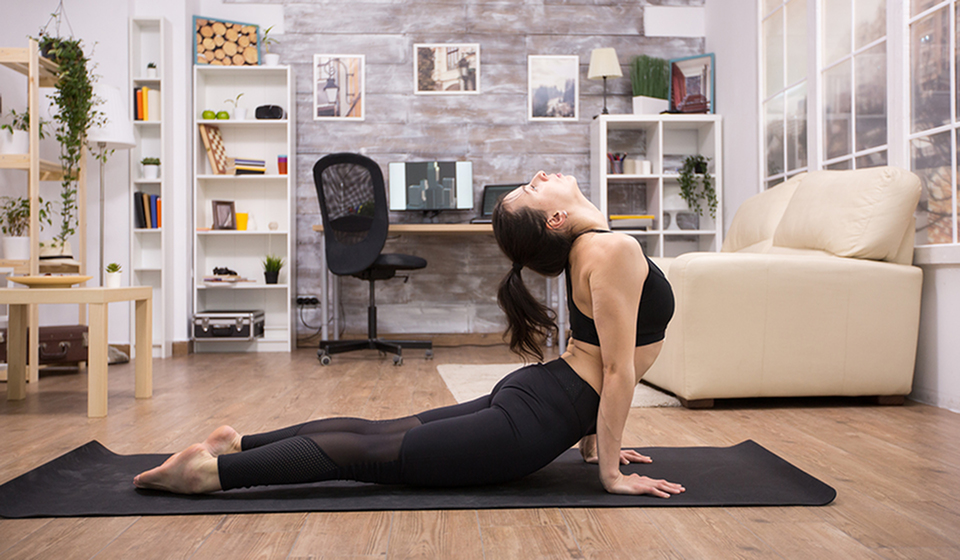
Balancing classes, assignments, and social life often leaves little time for fitness. Yet, staying active is essential for keeping energy levels high, improving focus, and maintaining overall well-being. The good news? You don’t need a gym membership or outdoor space to stay fit. With the right approach, students can build an effective fitness plan right inside their off-campus housing in Ottawa . This guide explores simple strategies to help maintain a healthy lifestyle while making the most of limited space and time. A fitness plan for students to stay active in your apartment Start with a clear routine Creating a structured routine helps fitness become a regular part of daily life. Begin by scheduling specific workout times, just like study sessions or classes. Whether you prefer early morning stretches or an evening workout after class, consistency is key. Aim for at least 30 minutes of physical activity, five times a week. This could include a mix of cardio, strength training, and flexibility exercises. Having a set routine not only boosts discipline but also helps in managing stress, improving focus, and balancing academic responsibilities. Focus on bodyweight exercises Bodyweight workouts are ideal because they require minimal room and no gear, yet deliver great results. A balanced routine might include: Push-ups for upper body strength. Squats and lunges for legs and glutes. Planks for core stability. Burpees or jumping jacks for cardio. These exercises can be modified to match fitness levels, making them suitable for both beginners and advanced students. Adding variety every few weeks keeps things interesting and helps avoid plateaus. Use furniture for support Your apartment furniture can double as workout equipment. A chair or desk can help you perform tricep dips, elevated push-ups, or step-ups. Water bottles can replace dumbbells for added intensity. Students can also use walls for wall-sits or balance support during leg workouts. This creative approach not only saves money but also maximizes the use of available space while maintaining safety. Combine short sessions throughout the day Between study breaks, online lectures, or household chores, short bursts of activity can make a difference. Try the “micro workout” method—doing five to ten minutes of exercise a few times a day. A morning stretch, a few squats during lunch, and a short yoga session in the evening can add up. Breaking workouts into smaller chunks helps sustain motivation and reduces the pressure of finding long, uninterrupted time blocks. Over time, these mini routines can lead to improved stamina and better mental clarity. Add movement to daily tasks Not every workout needs to be structured. Look for small ways to stay active throughout the day. Walk while talking on the phone, do calf raises while brushing your teeth, or take the stairs whenever possible. For students living in apartments with common areas, try using hallways for brisk walks or staircases for short climbs. Integrating movement into daily habits turns fitness into a lifestyle rather than a chore. Make flexibility and mobility a priority Sitting for long hours while studying can cause stiffness and discomfort. Stretching exercises like yoga or Pilates improve flexibility and relieve muscle tension. Try dedicating ten minutes daily to stretches that target the neck, shoulders, hips, and back. Apps and online videos offer guided sessions tailored for small spaces. Regular stretching not only improves posture but also helps reduce the risk of injuries, especially for those who spend much of their time sitting. Find creative cardio options indoors Cardio might seem difficult without access to outdoor spaces, but several options work perfectly indoors. Dancing, skipping or following a cardio workout video can improve your heart rate effectively. Students can also use HIIT (high-intensity interval training) workouts, which combine short bursts of intense activity with rest periods. These workouts take less time but offer impressive fitness results, helping you stay active even on busy days. Prioritize rest and recovery Rest is as important as exercise. Muscles grow and repair during recovery, so make sure to schedule rest days. Getting seven to eight hours of sleep supports energy levels and focus, both of which are crucial for academic success. To improve recovery, include light stretching or meditation before bed. This helps calm the mind, improve sleep quality, and reduce stress—a win for both body and mind. Create a supportive environment Your surroundings can influence how motivated you feel to exercise. Keep your off-campus housing in Ottawa tidy and set aside a small corner for workouts. Invite roommates or friends to join you in short challenges or online fitness classes. A supportive community can make exercising more fun and help maintain accountability. With music, creativity, and consistency, even a small apartment can become a motivating fitness space. Final takeaways Maintaining an active lifestyle as a student doesn’t require a gym or large space—just a smart plan and commitment. By integrating simple exercises, staying flexible with your schedule, and using your apartment creatively, it’s possible to stay fit and energized throughout the semester. Living in modern apartments makes this even easier, offering the space and comfort needed for daily activities. Theo Ottawa offers fully furnished off-campus housing in Ottawa with limitless amenities designed with students in mind. Whether you want to stretch out in the comfort of your living room, take part in a fitness class in a shared space, or unwind in a cozy lounge after a workout, Theo Ottawa provides the perfect balance of convenience and comfort. These thoughtfully designed living spaces are not only ideal for studying but also for maintaining a balanced, healthy lifestyle, ensuring you have everything you need to thrive academically and physically during your university journey.

Read more
How to stay social and engaged while studying at uOttawa-image

University life is about more than just attending classes and writing exams—it’s also about building friendships, finding a sense of belonging, and making the most of the opportunities around you. For students at the University of Ottawa, staying social and engaged can help you feel more connected to your community and support both your academic success and personal well-being. Here are practical ways to stay social, balance academics with fun, and make your university years truly memorable. Ways to build connections and stay active at uOttawa Get involved in uOttawa student clubs and associations One of the best ways to meet like-minded people is by joining student clubs. uOttawa has hundreds of clubs, societies, and associations that cater to a wide range of interests, from cultural groups and academic societies to recreational activities and advocacy organizations. Clubs give you the chance to: Connect with people who share your passions Gain leadership experience Participate in events and activities beyond the classroom Take part in campus events and activities Throughout the year, uOttawa hosts a variety of events that bring students together. These include welcome weeks, cultural festivals, academic conferences, athletic games, and even wellness workshops. By attending campus events, you not only stay informed about what’s happening but also create natural opportunities to expand your network. Even something as simple as cheering at a Gee-Gees game or attending a speaker series can help you meet peers outside your program. Use study groups to combine learning with socializing Studying doesn’t always have to be a solo activity. Forming or joining a study group can make academic work more engaging while giving you a chance to interact with classmates. Study groups help you: Share knowledge and clarify difficult concepts Stay motivated and accountable Turn coursework into a more collaborative experience This way, you get the best of both worlds: productive study sessions and meaningful connections. Explore the city of Ottawa with friends Being at uOttawa means you’re located in the heart of Canada’s capital city, with countless opportunities for exploration. From Parliament Hill and the Rideau Canal to ByWard Market and countless museums, Ottawa has something for everyone. Exploring the city with friends is not only fun but also a way to balance academic responsibilities with social experiences. Whether you’re skating in winter or enjoying summer festivals, Ottawa offers plenty of activities that encourage connection and relaxation. Build connections in your student housing community Where you live plays a huge role in how social and engaged you feel during your time at university. Living in a residence or off-campus housing community gives you daily opportunities to meet new people. At THEO Ottawa , for example, students enjoy modern, fully furnished apartments with shared spaces that are perfect for socializing. Common lounges, fitness areas, and study rooms create a built-in community where you can connect with peers while balancing privacy and independence. Choosing the right living space can make a big difference in your ability to stay engaged both academically and socially. Balance screen time with face-to-face interactions In today’s digital world, it’s easy to rely on messaging apps or social media to stay connected. While technology is helpful, in-person interactions often build stronger and more lasting bonds. Challenge yourself to put away your phone during meals with friends, study sessions, or events. Making eye contact, engaging in real conversations, and participating in shared activities help foster genuine relationships that go beyond the digital world. Volunteer in the community for a sense of purpose Giving back is another way to stay engaged while making a positive impact. Ottawa offers many volunteer opportunities, from helping at local charities to supporting community events. Volunteering not only enriches your university experience but also introduces you to people outside of your academic and social circles. It’s a fulfilling way to meet others who are passionate about similar causes while contributing to the community. Take advantage of mentorship and peer programs uOttawa provides mentorship programs where new students can connect with upper-year mentors. These programs help you navigate academic challenges, learn more about campus resources, and feel less isolated during transitions. Peer mentorship also provides a chance to build friendships while developing confidence and leadership skills. Being part of such networks can boost both your social life and your academic success. In the end Staying social and engaged while studying at uOttawa is all about balance—between academics, friendships, and personal growth. By joining clubs, attending events, exploring the city, participating in fitness activities, and choosing the right housing, you can make the most of your university years. Volunteering, mentoring, and maintaining face-to-face connections will also help you build meaningful relationships that last beyond graduation. For students looking for a supportive and vibrant living environment, apartments near uOttawa like those offered at THEO Ottawa provide the perfect blend of community and independence. With limitless amenities and a welcoming atmosphere, THEO Ottawa’s housing makes it easier than ever to stay engaged, make friends, and thrive during your university journey.

Read more
Must-have items for students living off campus-image

Living off campus as a university student is an exciting milestone. It offers independence, flexibility, and the chance to create a living space that feels like your own. However, moving into a fully furnished off-campus housing in Ottawa doesn’t mean you shouldn’t prepare. Having the right essentials can make your daily life easier, more comfortable, and more organized. Whether you’re living alone or with roommates, these must-have items will help you make the most of your off-campus experience. Essential items every student needs for off-campus living Kitchen essentials for easy cooking Even if your apartment is fully furnished, having a few kitchen essentials can make cooking more convenient and enjoyable. A quality set of pots and pans, a sharp chef’s knife, and cutting boards are indispensable.  Additionally, consider meal prep containers for storing leftovers or taking lunches to campus. Having basic spices, cooking oil, and non-perishable staples like pasta, rice, or canned goods ensures you always have something to cook. These items make daily meal preparation smoother and reduce the temptation of relying solely on takeout. Bedroom comforts for restful sleep A comfortable sleeping space is essential for academic success. Even if your apartment comes with a bed, consider upgrading your bedding for optimal comfort. High-quality sheets, a supportive pillow, and a warm duvet or comforter can significantly improve sleep quality. Creating a sleep-friendly environment helps you recharge effectively, improving focus, mood, and overall well-being. Study essentials for academic success Living off campus means you need a designated space for studying and completing assignments. A sturdy desk, chair, and adequate lighting form the foundation of a productive study area, which is already included in your fully furnished off-campus housing in Ottawa. But you can bring other useful items such as notebooks, pens, highlighters, a calendar or planner, and a reliable laptop stand. Noise-cancelling headphones help minimize distractions in shared spaces. Keeping all your study materials organized in one area ensures you can focus efficiently and stay on top of your coursework. Cleaning supplies for a tidy home Maintaining a clean living space is vital for health and comfort. Even in a furnished apartment, it’s important to have basic cleaning supplies such as a broom, dustpan, mop, and vacuum. Multi-purpose cleaners, dish soap, and laundry detergent are also essential. Regular cleaning prevents the buildup of dust, grime, and germs, making your apartment more enjoyable and welcoming. Consider creating a simple cleaning schedule to ensure chores don’t pile up, which can help you maintain a stress-free home environment. Personal care items for convenience Personal care items are often overlooked but essential for daily living. Stock up on toiletries such as shampoo, conditioner, soap, toothpaste, and a toothbrush. Items like a shower caddy, towel rack, and bath mat can improve the organization and comfort of your bathroom. Additionally, having a basic first-aid kit with bandages, antiseptics, and pain relief medication is always helpful in case of minor injuries. These items contribute to a healthier, more comfortable living experience. Conclusion Moving into off-campus housing is an exciting step, and having the right essentials can make your experience more enjoyable, organized, and comfortable. From kitchen appliances and smart storage solutions to study tools, cleaning supplies, and personal care items, each item plays a role in creating a well-rounded student lifestyle. When considering off-campus options in Ottawa, choosing student housing that provides fully furnished apartments with limitless amenities can make life easier and more enjoyable. THEO Ottawa offers precisely that—comfort, convenience, and a space designed to support your academic and personal growth. With the right setup and a welcoming environment, you can make the most of your student experience.

Read more
How continuing education helps you advance in your career-image

In today’s fast-paced and competitive job market, learning doesn’t end once you graduate. In fact, continuing education has become one of the most powerful ways to stay ahead, adapt to changes, and open up new career opportunities. Whether you’re pursuing short-term certifications, professional development courses, or advanced degrees, investing in your education equips you with the tools to grow personally and professionally. If you’re a student or young professional looking to thrive, continuing education can be a game-changer. And while you pursue these goals, having the right place to live—such as the fully furnished apartments for rent near uOttawa offered by THEO Ottawa—provides both comfort and convenience, ensuring you have the ideal environment to focus on your future. Let’s explore how continuing education helps you advance in your career and why it’s worth prioritizing. Keeps your skills relevant in a changing job market Industries are constantly evolving due to technology, automation, and shifting business needs. A skill that was highly valued five years ago may no longer be in demand today. Continuing education ensures you remain adaptable by upgrading your skills and staying current with the latest trends. For example, digital literacy, data analysis, and artificial intelligence are now essential across various industries. By enrolling in targeted courses or certifications, you’ll not only remain relevant but also position yourself as someone who brings fresh, in-demand expertise to the table. Employers are always looking for candidates who can adapt and bring innovative solutions. Opens doors to career advancement If your goal is to climb the career ladder, continuing education can give you the competitive edge you need. Many companies require advanced qualifications or specialized certifications for promotions and leadership roles. By investing in professional development, you signal to employers that you’re committed to growth and leadership. This not only boosts your chances of earning promotions but also strengthens your bargaining power when it comes to salary negotiations. In short, education can help you move from being a good employee to an indispensable one. Increases your confidence and credibility Learning new skills and knowledge doesn’t just benefit your resume—it also improves your confidence in professional settings. When you’re equipped with up-to-date expertise, you feel more prepared to tackle challenges, take on new responsibilities, and contribute to strategic decision-making. Additionally, certifications, advanced degrees, and continuing education courses increase your credibility. Employers, clients, and colleagues view you as someone who values excellence, and this reputation can open doors to networking opportunities, mentorship, and career advancement. Helps you explore new career paths Sometimes, continuing education isn’t just about climbing the ladder in your current field—it’s about discovering entirely new opportunities. Many professionals use courses, online certifications, or advanced degrees as a springboard to pivot into industries they’re passionate about. For instance, someone working in finance might pursue education in project management to move into operations. Or a marketing professional may decide to specialize in digital analytics through continuing education. The ability to reinvent your career path without starting over entirely is one of the greatest advantages lifelong learning offers. Expands your professional network Continuing education programs connect you with like-minded individuals—students, professionals, and instructors—who can become part of your career network. Networking is a powerful tool in career advancement, as many job opportunities come through referrals and professional relationships. Whether you’re attending workshops, university courses, or online training sessions, these connections can lead to mentorship, collaborations, or even job offers in the future. The classroom becomes more than a place of learning; it becomes a hub for building meaningful relationships. Demonstrates commitment to growth Employers value candidates who invest in themselves. Continuing education shows that you’re committed to improving not only your professional skills but also your personal growth. It reflects resilience, adaptability, and motivation—qualities that companies seek in leaders and high-potential employees. This commitment sets you apart from those who remain stagnant, proving that you’re proactive and future-focused. When you show initiative by continuing your education, you create a strong impression that can lead to long-term career success. Final thoughts Continuing education is no longer optional; it’s essential for career advancement. From keeping your skills relevant to opening new doors, boosting your confidence, and expanding your professional network, lifelong learning is the key to staying competitive in today’s job market. As you pursue opportunities to grow academically and professionally, remember that your living environment plays a crucial role in your success. THEO Ottawa offers modern, fully furnished apartments for rent near uOttawa, giving students and young professionals the perfect place to focus on their studies, connect with others, and prepare for the next stage of their careers. Investing in your education is an investment in your future, and when paired with the right lifestyle, it can truly transform your career path.

Read more